Progress Update: Custom Cabinet Design for Sloped Ceiling Space – Key Challenges and Next Steps
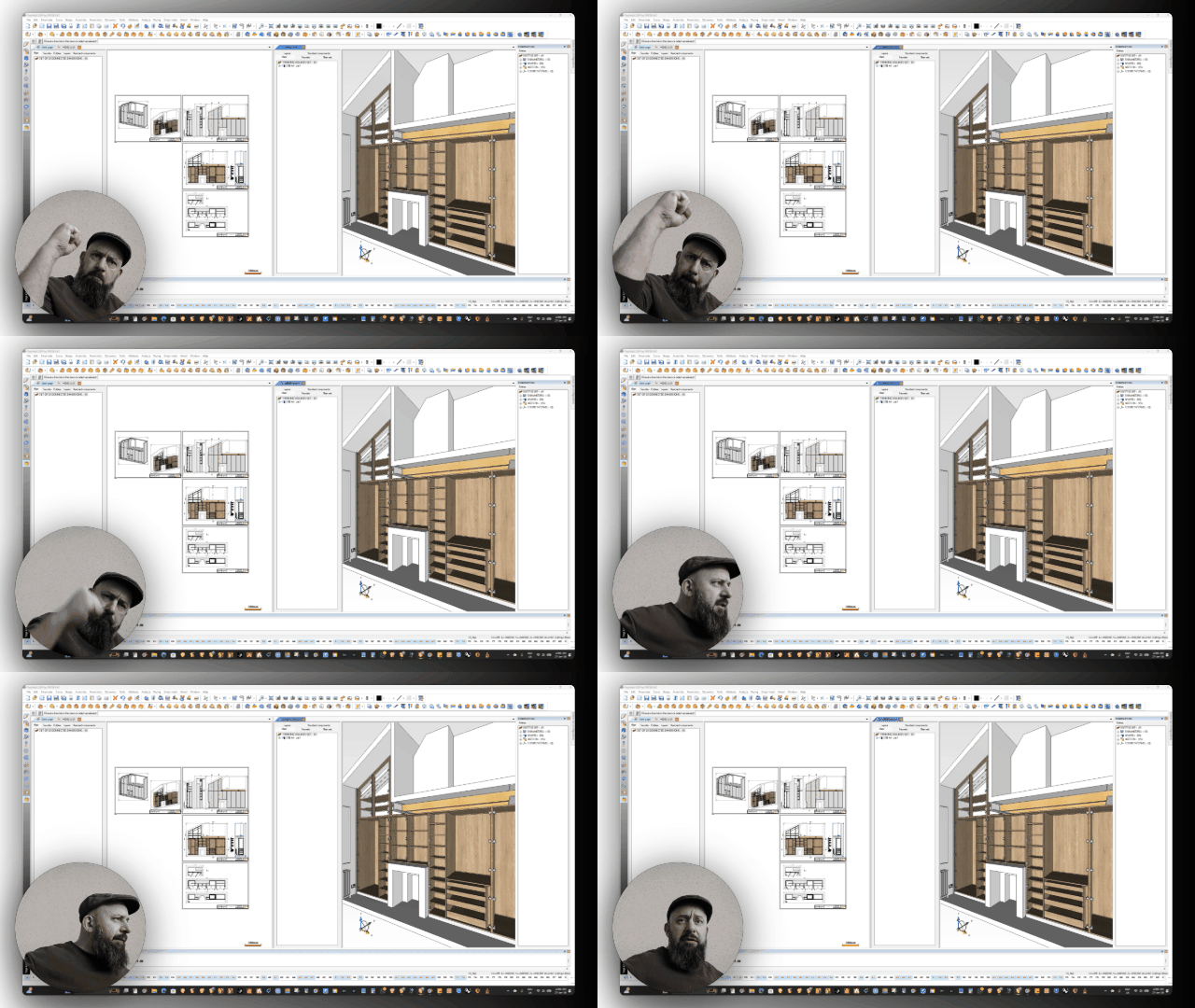
In this bespoke cabinet project, significant advancement has been achieved in the 3D model space. All primary cabinets have been incorporated, along with shelving units, drawers, and an angled unit frame to accommodate the sloped ceiling. A hanging rail has been positioned, though visibility adjustments remain under review.
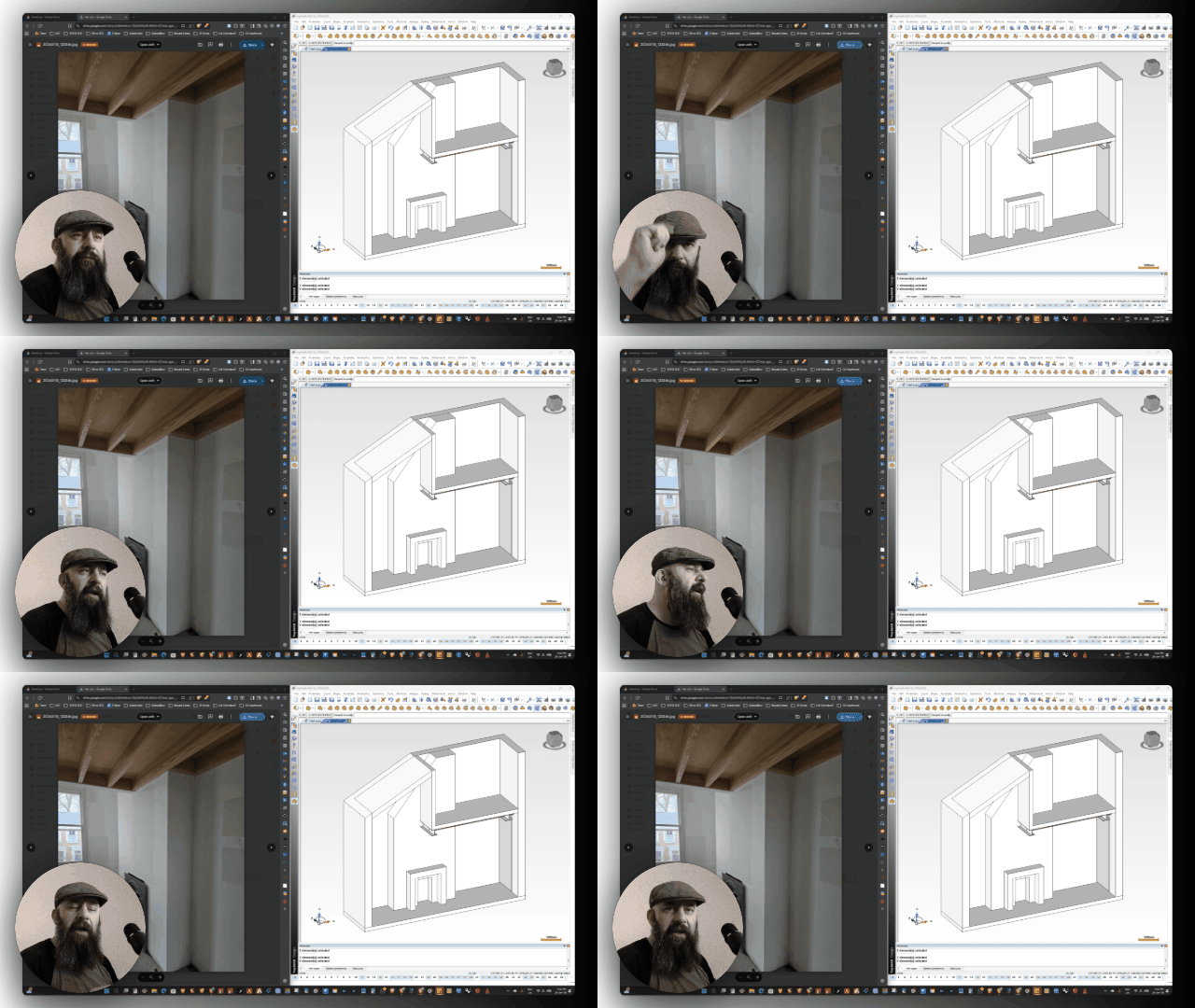
Fixed shelves have been added in constrained areas, and a radiator has been accurately placed based on site survey data, including pipe locations. This ensures realistic spatial constraints are represented, particularly regarding door swing clearance and potential long-term wear.
Several critical design challenges require client input before proceeding to full working drawings and production:
- Electrical Socket Placement Multiple sockets are positioned within the cabinet footprint. Options include routing them through the cabinetry or relocating them entirely. One socket aligns with a filler panel, necessitating a decision on whether to modify the panel, integrate access, or adjust the electrical layout to maintain clean aesthetics and functionality.
- Radiator Integration and Specifications The radiator's position has been modeled, but details such as exact dimensions, type, and any clearance limitations are pending. These specifications will influence adjacent cabinet depth, door operation, and overall layout viability.
- Fireplace Surround and Specifications The area surrounding the fireplace requires clarification regarding depth, finishing materials, and fire safety requirements. This information will determine how the cabinetry interfaces with the feature.
- Space Above Cabinets and Beam Integration A gap exists between the cabinet tops and the overhead metal H-beam. Decisions are needed on whether to close this space (e.g., with additional panels) or leave it open, balancing aesthetics, accessibility, and structural considerations.
- Drawer and Door Design Details Preliminary elevations indicate potential wedge-style drawers with drop-front access, combined with fixed internal shelves to accommodate hinge pockets. Clients must confirm whether to retain a square-front configuration (potentially using sheet material) or opt for rounded solid edging. Internal spacings, heights, and vertical dividers have been illustrated for review.
To facilitate feedback, a concise presentation package has been prepared, including:
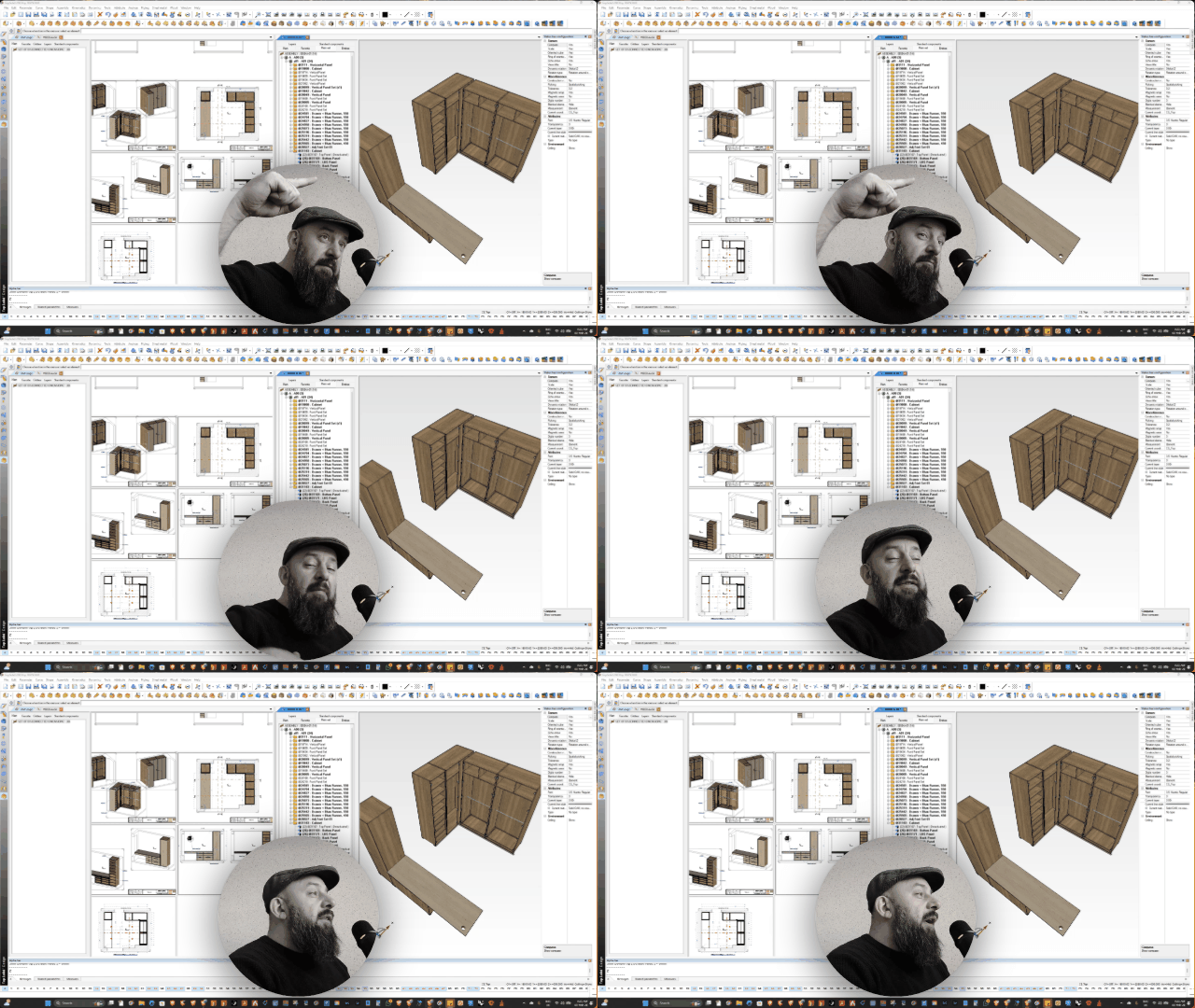
- 3D rendered views (with and without shaded walls to highlight construction layout);
- Front elevation with overall and internal dimensions;
- Floor plan sections illustrating door openings constrained by the angled ceiling and radiator placement.
Once the client provides specifications and decisions on the above items—particularly the sockets, radiator, fireplace interface, and drawer styling—the project can advance to detailed working drawings ready for fabrication.
This stage underscores the importance of collaborative input in custom cabinetry projects, especially in spaces with architectural complexities such as sloped ceilings and integrated services. Stay tuned for further updates as the design moves toward production.
If you have experience with similar bespoke furniture challenges—particularly socket relocation in cabinetry or optimizing storage under sloped ceilings—feel free to share insights in the comments.
You can also fallow me here:
Patreon, Substack, BuyMeaCoffee, Ghost
Thank you for watching.
If you find this helpful... hit the link below.
TIP JAR
Please leave comments, suggestions, ideas ... keep creating