You can also fallow me here:
Patreon, Substack, BuyMeaCoffee, Ghost
Custom Wardrobe Design Process: From Client Revisions to Precision CAD Modeling and Technical Drawings
In this episode of Draftsman's Life, the focus is on a prolonged yet rewarding custom wardrobe project that has undergone several iterations due to evolving client requirements.
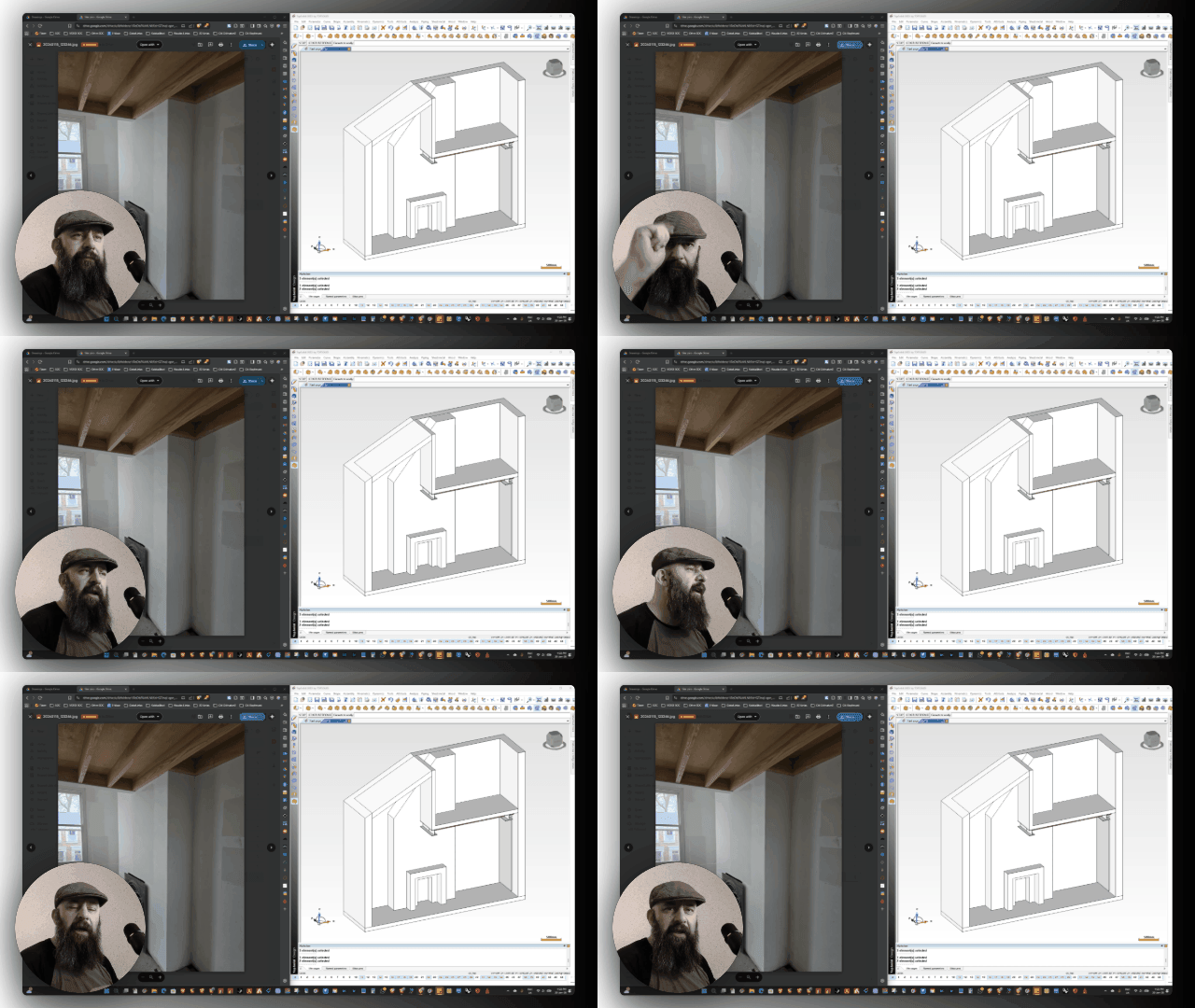
The initial concept began with a basic sketch and a detailed site survey provided by the fabrication team. Accurate measurements were captured using a three-axis laser positioned centrally in the room. This method generates precise reference lines, allowing dimensions to be recorded both above and below the laser plane. By selecting the minimum ceiling height and floor clearance as reference points, allowances for scribing, fillers, and adjustments ensure a perfect fit despite irregularities in walls or floors.
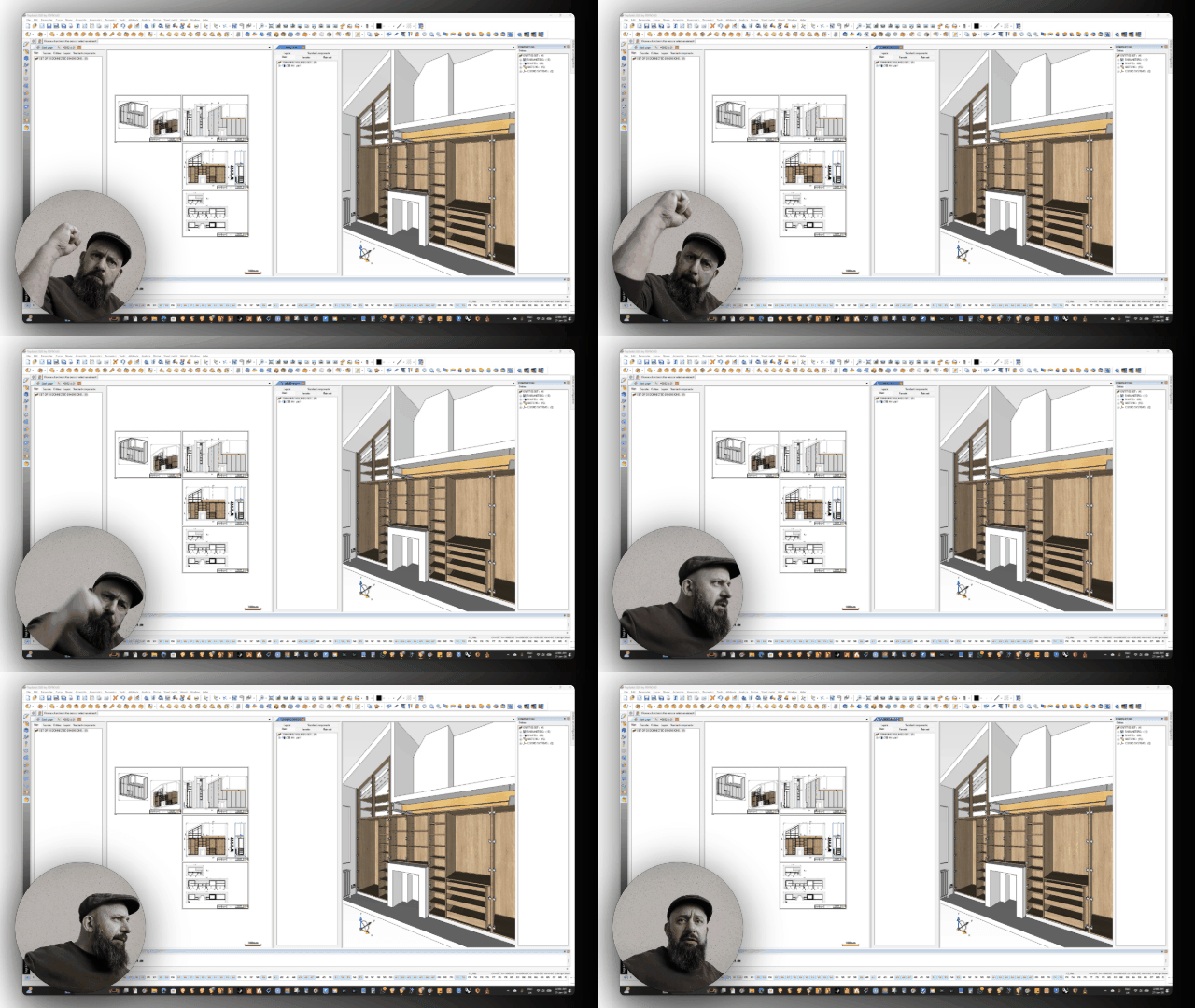
After refining the layout through multiple revisions—including adjustments to the U-shaped configuration, drawer arrangements, and cabinet placements—the final design features:
- A central desk area with internal drawers and adjustable shelves.
- Tall hanging space on one side.
- Double hanging sections with pull-out drawers below on the opposite side.
- Overhead storage supported by dividers for structural integrity.
- Vertical finger-pull handles and chamfered edges for a modern, handle-free aesthetic.
- Integrated LED lighting throughout.
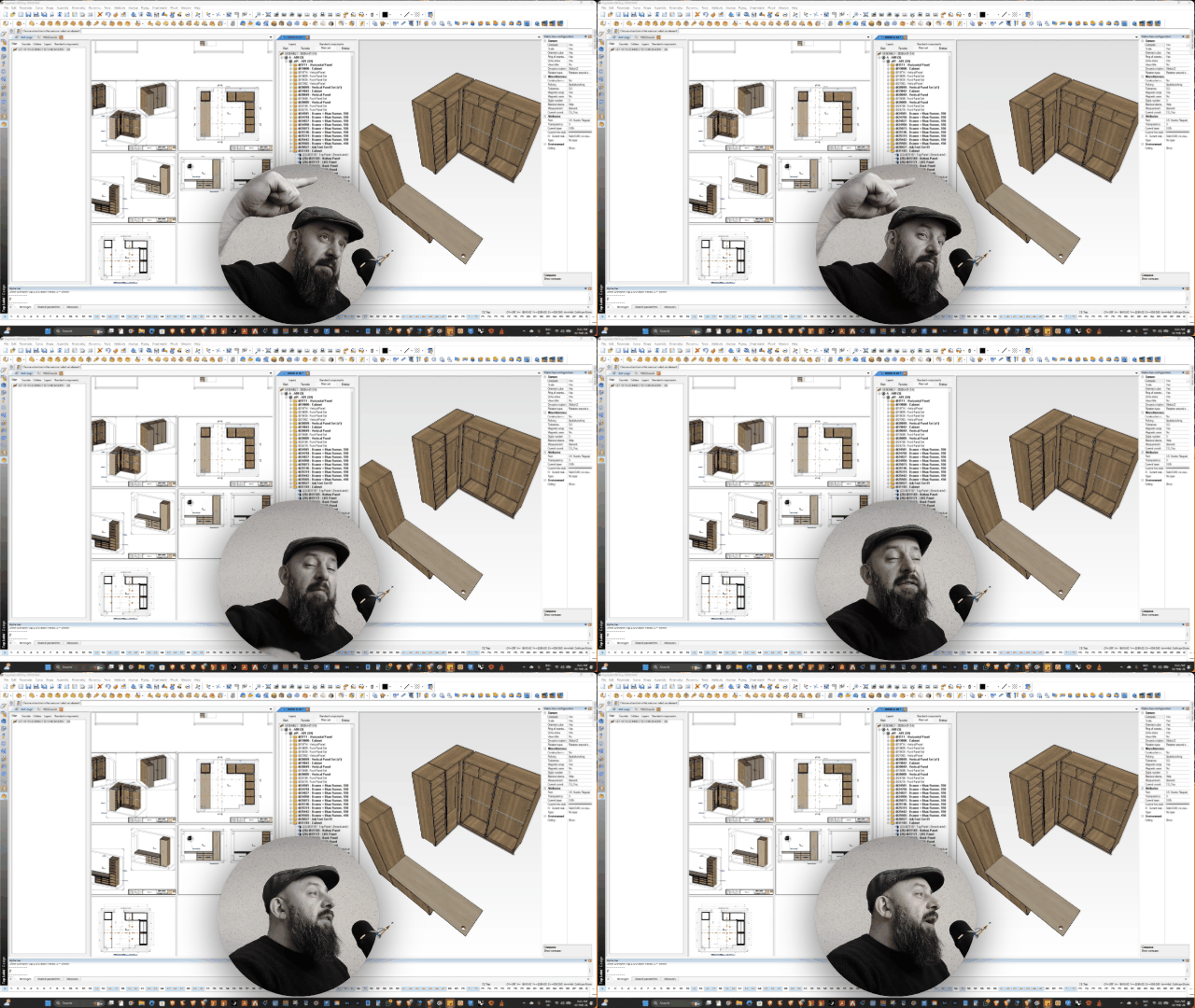
The 3D model was constructed with careful organization: main assemblies for each side of the wardrobe, sub-assemblies for components (such as the desk block, cabinets, and drawers), and proper layering. This structure enables efficient view creation and modifications in the drafting environment.
The prepared technical drawing package includes:
- Overview pages with rendered views, LED placement, and overall dimensions.
- Annotated elevations showing fronts with doors removed to highlight internal drawers and adjustable shelves.
- Side dimension sheets for verification against the original site survey.
- Ceiling light positioning projections aligned with door centers for balanced illumination.
- Detailed fabrication views with walls hidden, focusing solely on manufacturable elements: cabinet boxes, door dimensions, hinge pockets, drawer runner positions, internal heights, depths, widths, and cable management provisions.
This approach streamlines communication with both the client (for final approval) and the makers (for accurate production). The well-organized model reduces drafting time significantly, allowing quick generation of additional views or revisions as needed.
The project exemplifies the iterative nature of custom wardrobe design: persistence through client feedback, precise measurement techniques, structured CAD modeling, and clear technical documentation ultimately deliver a functional, aesthetically pleasing built-in storage solution.
This glimpse into the draftsman's workflow highlights why such thorough processes are essential in bespoke furniture projects, ensuring seamless installation and client satisfaction.
Thank you for watching.
If you find this helpful... hit the link below.
TIP JAR
Please leave comments, suggestions, ideas ... keep creating