Do you like what you see - hit a TIP JAR button below
or
A Tall Bookcase on Splayed Oak Legs
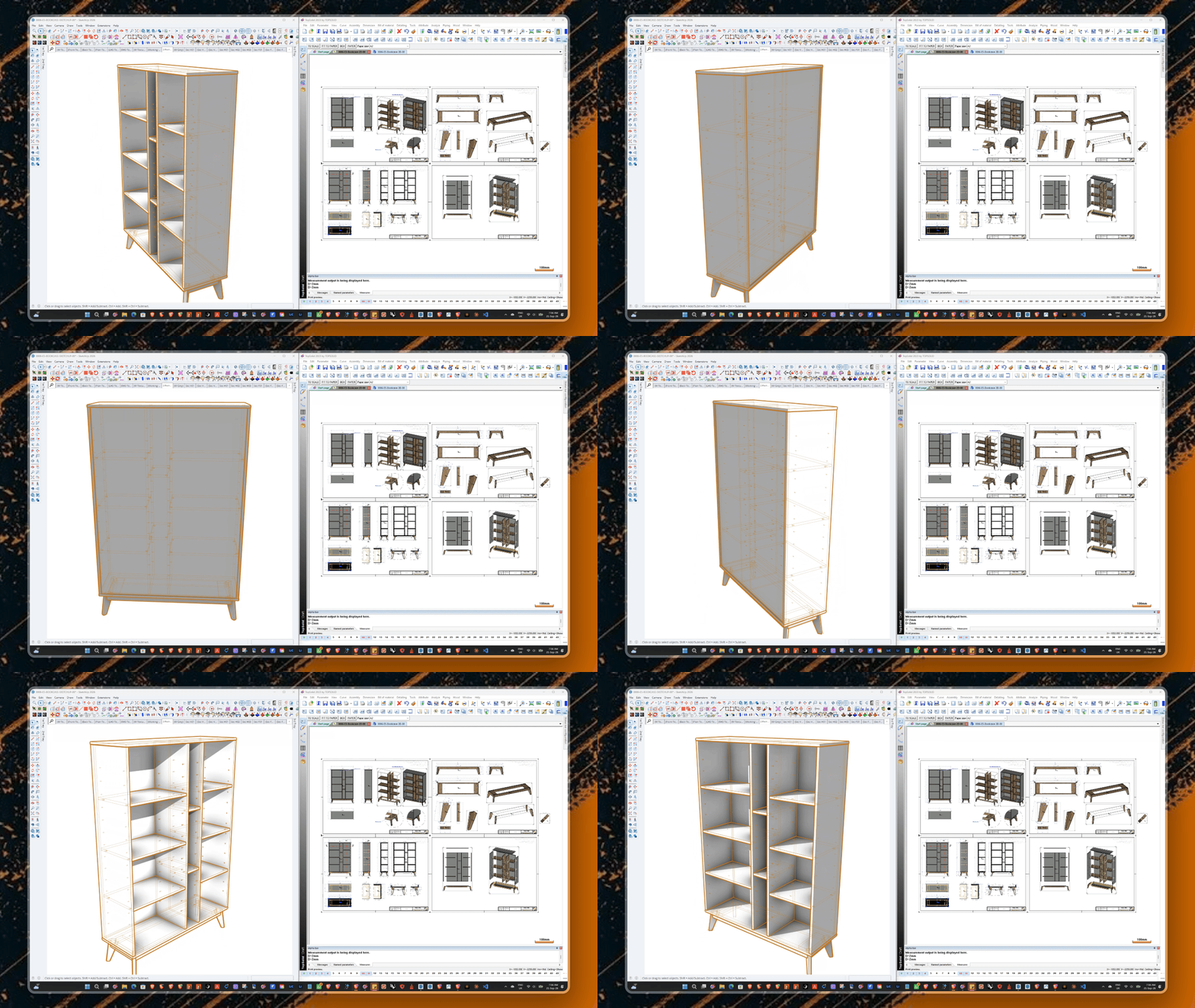
This bookcase (project 0006‑ES) is the largest piece in the series so far — a full 1600 mm tall carcass standing on a splayed solid oak leg frame that lifts it off the floor and stops it feeling like a heavy monolith. It's a mid-century-leaning design where the tension between the boxy grey case and the angled, tapered legs does all the work.
The carcass
The case is 1200 mm wide, 400 mm deep, and 1600 mm tall, built from grey MFC melamine for both the carcass and the shelves. Melamine is the practical choice here — hard-wearing, dimensionally stable at this size, and available in a clean flat grey that suits the piece. Inside, the bookcase is divided into two bays by central vertical dividers, with a staggered arrangement of fixed and adjustable shelves that gives the front an irregular, almost mondrian-like rhythm rather than a plain grid.
The shelves
Shelves run on the standard 32 mm shelf-pin system, with the pin rows drilled down the side panels and dividers so the adjustable shelves can be repositioned. The staggered layout between the left and right bays is what gives this piece its character — the shelf heights don't line up across the middle, which keeps a large storage piece looking dynamic instead of institutional.
The leg frame
The legframe is solid oak and the real star of the piece: a rectangular frame with four legs splaying outward at an angle, each leg tapered in both directions so it reads as slim and dynamic. The frame sits about 200 mm tall and carries the full carcass above it, with the legs joined into the corners of the frame. Getting those compound angles right is exactly the kind of thing that pays off being modeled before cutting.
Assembly
The exploded view shows how it goes together — melamine carcass and dividers assembled first with the shelves pinned in, then the whole case dropped onto and fixed to the oak leg frame as a separate sub-assembly. Building the legframe as its own unit keeps the tricky solid-wood joinery separate from the sheet-goods carcass.
Modeling notes
Modeled parametrically in TopSolid Wood, which really earns its keep on a piece like this. The splayed leg angles, the shelf-pin patterns, and the staggered shelf layout are all parameters — so the bay proportions or overall height can be adjusted and everything, including the compound-angle legs, updates together without a rebuild.
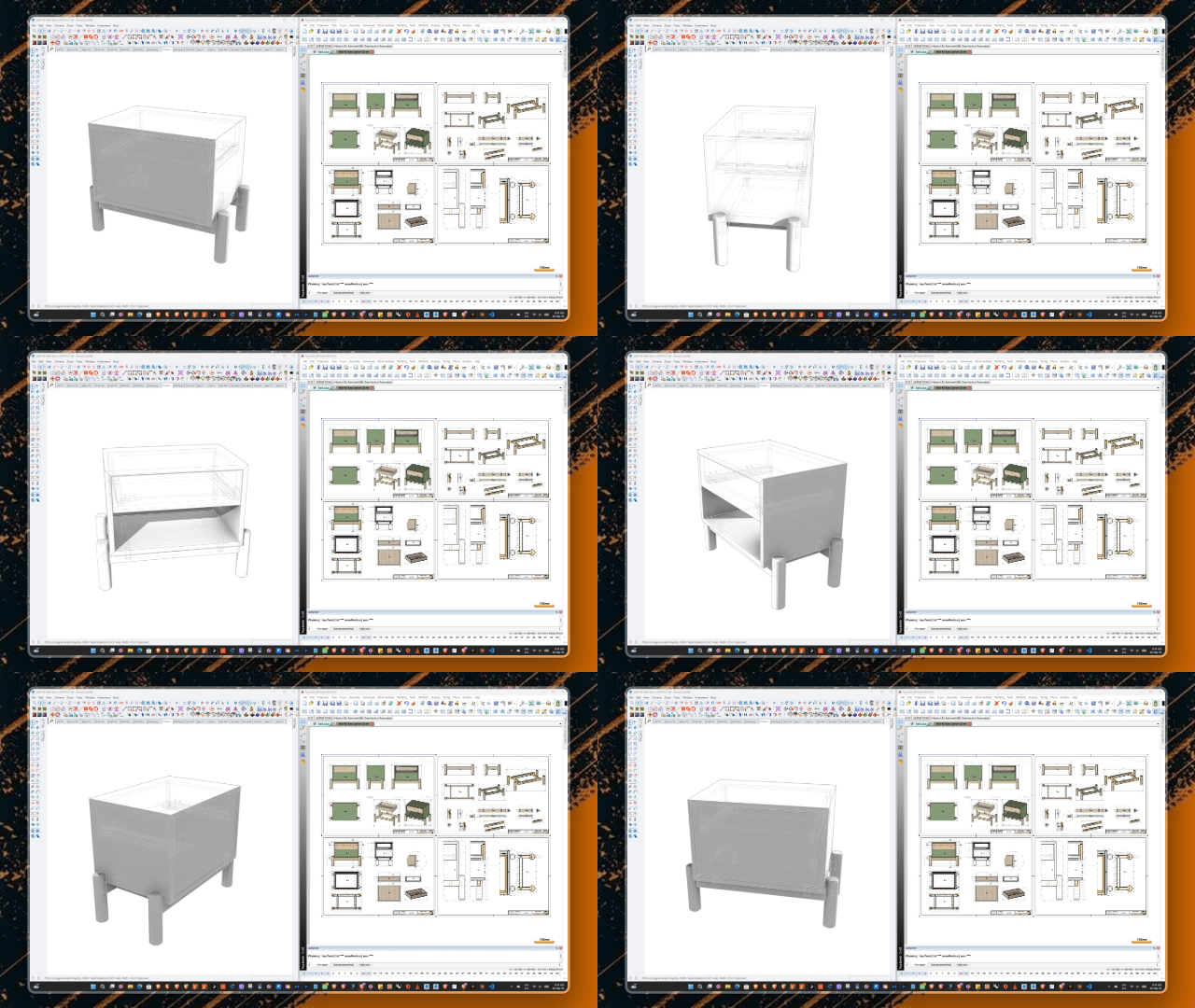
As always — these drawings show the design intent, not a joinery manual. Anyone building this should think through their own joinery and hardware based on their tools and materials.
Go to ETSY Store to get this product
Automate your Social Media Posts